





Dog Waste Removal for HOAs and Shared Green Spaces
A shared lawn needs more than a residential price multiplied by the number of homes. Foot traffic, dog-use patterns, separate entrances, and the responsibilities of the property manager all affect the work.
For an HOA, apartment community, or other shared property, start with a written scope that someone could follow without knowing the site already.
Map what is included
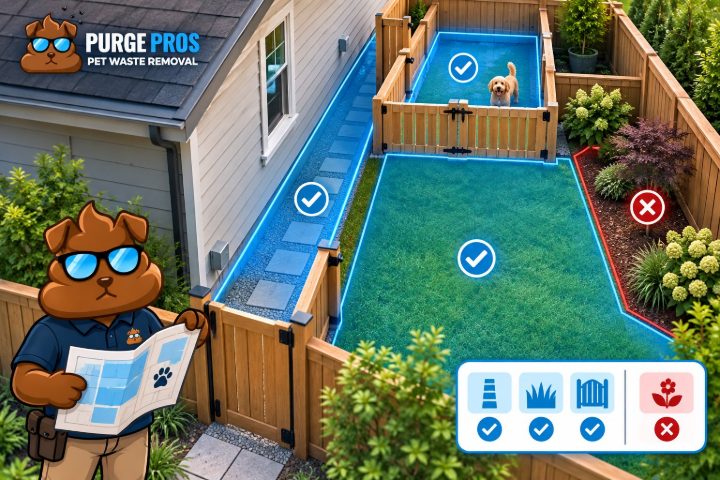
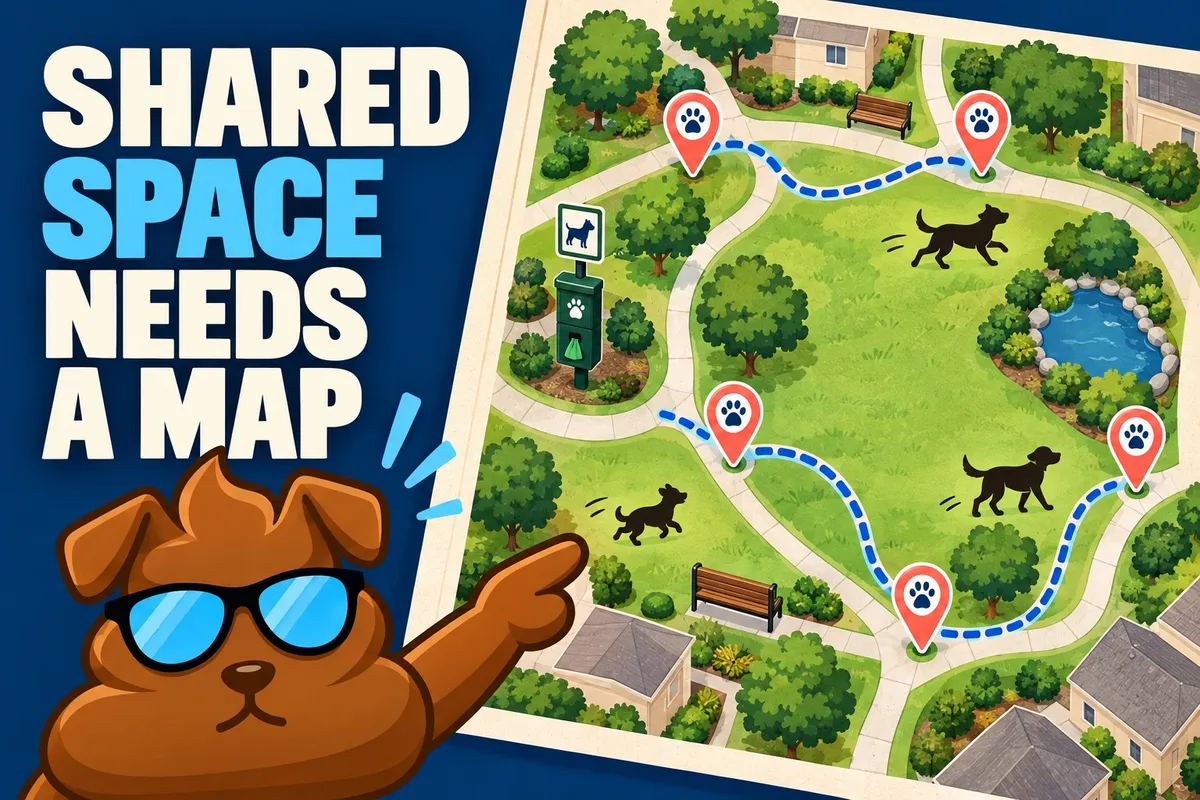
Identify each lawn section, dog run, path edge, and other area where waste pickup is requested. Mark excluded spaces, private yards, locked sections, and places controlled by another owner.
Use names that residents and staff recognize, such as “the lawn behind Building B” or “the fenced run beside the west parking area.” A marked property map can support those descriptions.
Do not estimate coverage only from the property’s total acreage. Buildings, parking areas, and inaccessible ground are different from the actual cleanup area.
Separate the service tasks
Decide which tasks you want quoted:
Searching agreed ground areas and collecting dog waste.
Removing collected waste from the property.
Emptying designated pet-waste containers.
Replacing liners or refilling bag dispensers.
Reporting access issues or damaged stations.
These tasks should be discussed individually. Ground pickup does not automatically include station maintenance, general litter collection, landscaping, or repairs.
Purge Pros reviews commercial and shared-property needs through a custom discussion; a standard residential widget price should not be treated as a confirmed commercial scope.
Explain the property’s patterns
Describe where waste tends to collect and when the space is busiest. Include the number of separate areas, available entrances, and any restrictions on service access.
A property manager may not know every resident’s dog count. In that case, explain the level of use and the observed condition rather than supplying a false precision. The provider can discuss what information is needed to quote the work.
Assign one operational contact
Choose who approves scope changes, receives service updates, and handles access problems. Identify a backup contact for an urgent gate or entry issue.
Residents should know the provider’s role, but technicians should not receive conflicting instructions from multiple people during a visit. Route changes and new areas need a clear approval path through the property’s designated contact.
Set expectations for the time between visits
A cleanup visit addresses the conditions found during that visit. It cannot guarantee that shared ground remains waste-free after residents use it again.
Continue the property’s resident pickup expectations and maintain the supplies it provides. If the same area becomes heavily soiled between visits, review the frequency or scope rather than assuming the previous visit did not occur.
Request a plan for the actual site
Gather the address, area map, desired tasks, current condition, and access details. If the request concerns separate rental yards, our rental-property guide covers those boundaries.
Text (317) 961-5865 or call Purge Pros, or start through the dog waste removal page. We can review the property and confirm what service arrangement is available.