





Can Dog Waste Fertilize a Lawn? What Homeowners Should Know
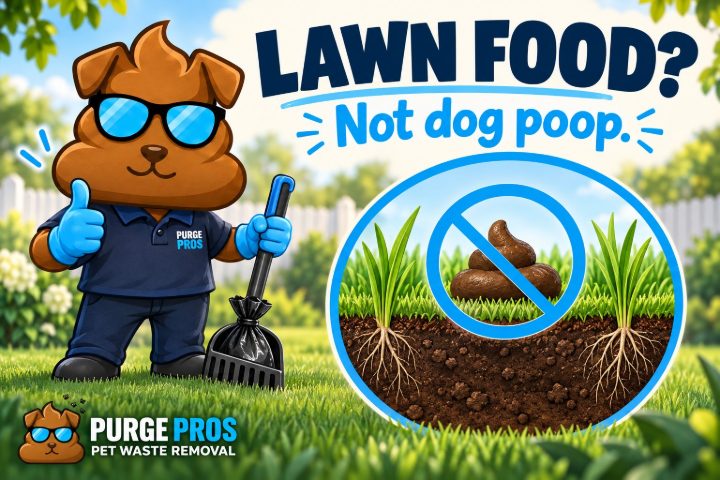
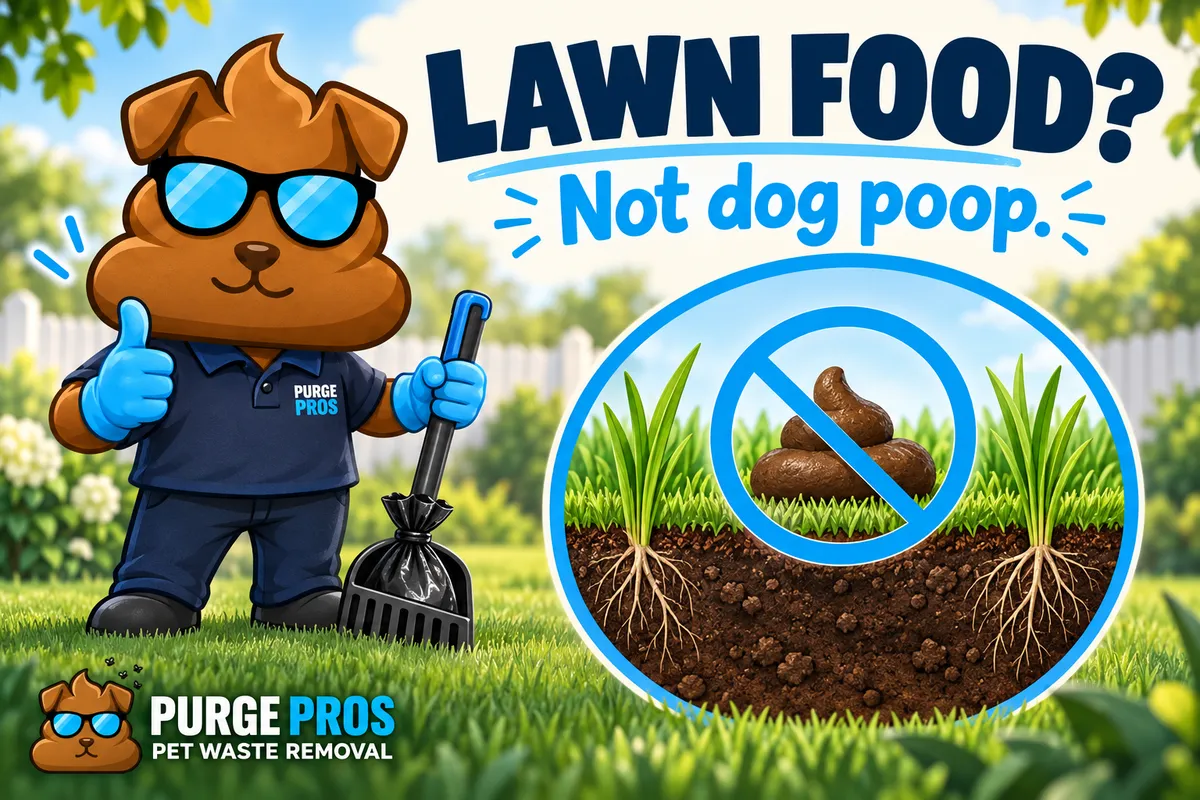
Dog waste contains nutrients, but leaving it on the lawn is not a fertilizer plan. The U.S. Environmental Protection Agency identifies the belief that dog waste is a natural fertilizer that takes care of itself as a misconception. For a home lawn, the practical next step is to pick it up instead of leaving it to feed the grass.
Why dog waste is not a fertilizer shortcut
Fertilizer is selected and applied for a lawn’s needs. Dog waste left on the grass is not a measured lawn-care product, and its presence does not tell you which nutrients your soil needs. EPA guidance explains that stormwater can carry pet waste from the ground into storm drains and nearby waterways. Nutrient content is only part of the story: improperly disposed of pet waste also contributes bacteria and parasites to water.
That does not mean every lawn needs fertilizer. It means dog waste should not be treated as a substitute for a lawn-care decision. If the grass needs attention, handle that as a separate task using reliable lawn-care guidance.
Build a pickup routine you can keep
A routine is easier to remember when it is tied to something you already do. These practical steps can help:
Choose a regular cue. Check the yard when your dog comes inside, before you close up for the evening, or before mowing. Choose a time that fits your household rather than waiting until the lawn looks messy.
Check the places your dog uses. Include favorite routes, corners, shrub edges and spots partly hidden by outdoor items. Update your scan if your dog starts using another section.
Work in a consistent direction. Move loose toys before your pass and check one section at a time. Take a second look where leaves or furniture make the ground harder to see.
Keep supplies within reach. Have a scoop or bags ready. Contain collected waste and follow your trash provider’s disposal instructions. Do not rinse waste toward a curb, gutter or storm drain.
Check before cutting the grass. Remove visible waste from the area you plan to mow. Our guide to picking up before mowing explains that part of the routine.
For help organizing the disposal step, read After You Scoop: Dog Waste Bags, Bins, and Disposal. Use the disposal instructions that apply where you live.
What about composting?
Do not assume a pile intended for leaves and grass clippings is also suitable for dog waste. EPA’s pet-waste fact sheet lists dedicated pet-waste units as one possible management approach. That is different from recommending an ordinary home compost pile.
Before buying or building a system, check the instructions and ask your local public works or extension office whether it is intended for dog waste and how the finished material may be used. If you do not have instructions that specifically cover pet waste, follow your local disposal guidance instead.
Keep lawn care and cleanup separate
If you are deciding whether to fertilize, use product directions and local lawn-care guidance. EPA’s household nutrient-pollution guide explains why both pet waste and excess lawn nutrients matter to nearby waterways. Do not treat washing either one toward the street as a cleanup solution.
For help with pickup, review Purge Pros dog waste removal, then check your ZIP and see your price. Describe the areas you want included. A dog-waste cleanup request covers a different need from fertilizer, soil treatment or other lawn-care work.